Polyvagal PLAY
Play is not a break from the work. Play IS the work.
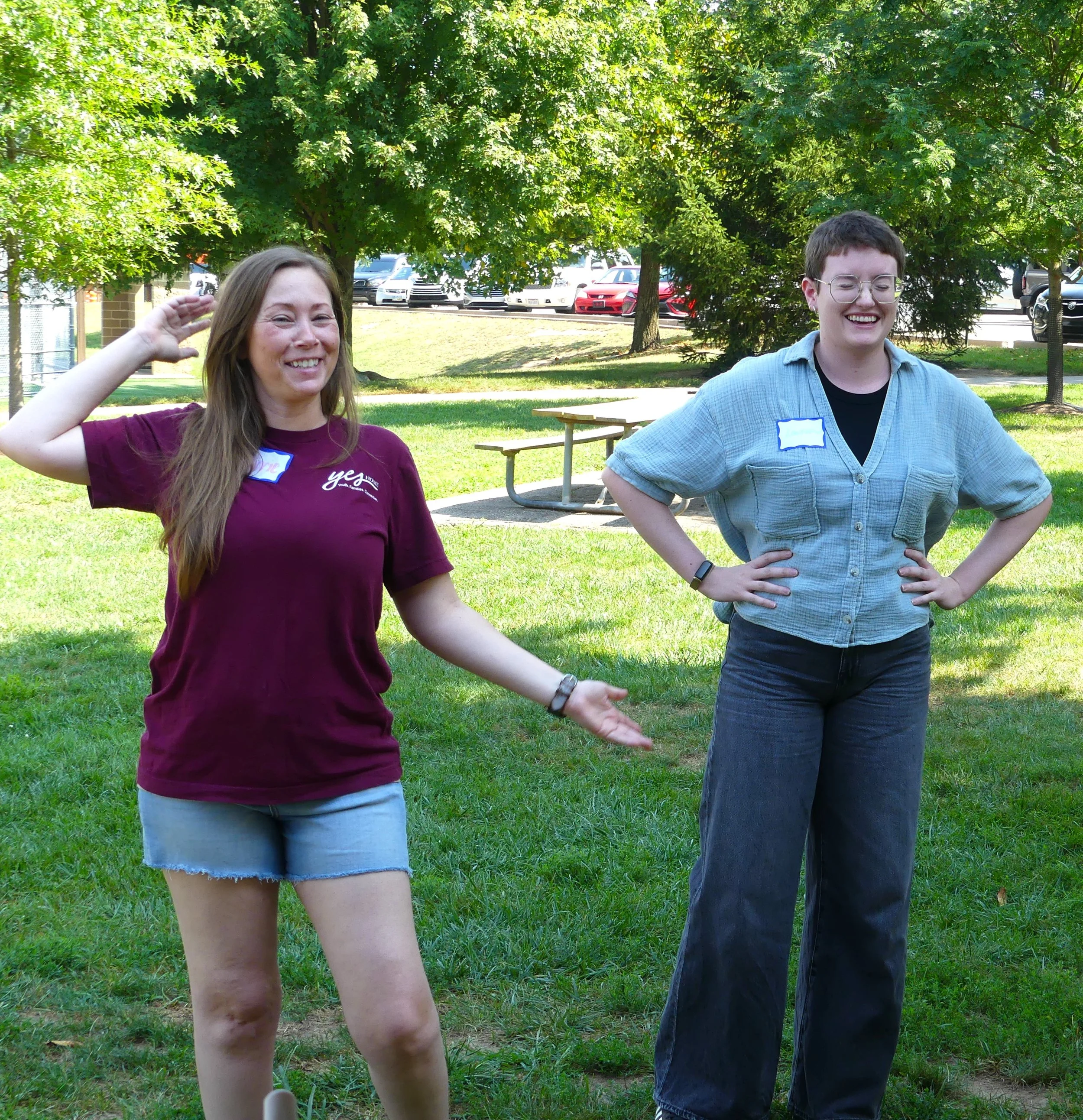
You spend your days regulating for someone else.
A classroom of bodies that need you steady. A client sitting across from you in their hardest hour. A team of staff who can feel it when you're depleted, even when nobody says it out loud.
You're good at it. You've built a nervous system that knows how to hold the room, even when you're empty.
This is a space where you don't have to.

WHAT POLYVAGAL PLAY IS
Polyvagal PLAY is a methodology Sarah Buffie developed for the people whose work asks them to be regulated for everyone else.
It's grounded in Stephen Porges's polyvagal theory, the science of how the nervous system scans for safety and shifts between states of connection, mobilization, and shutdown. And it's built on a simple, often overlooked insight: the play state is neurophysiological, not a decision. We don't think our way into it. We access it when the body has enough cues of safety and few enough cues of danger.
That's why so many adults can't just "play more" when they're told to. Play is vulnerable. Play asks the nervous system to soften in a way that survival mode literally cannot allow.
Polyvagal PLAY is the sequenced answer to that gap. Four phases: Pause, Listen, Activate, Yield. Together they build the conditions the body needs in order to play, regulate, connect, and come home to itself.
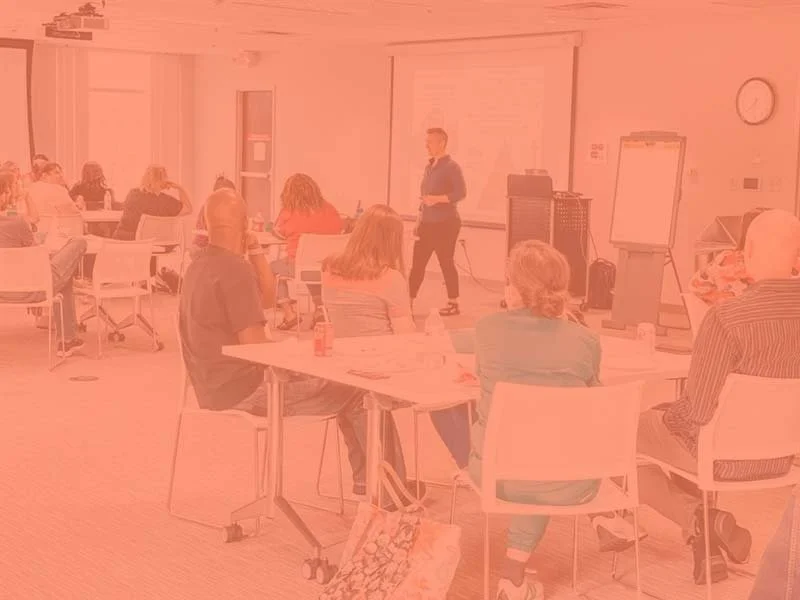
“Healing doesn't begin with what we do. It begins with how safe we feel, together.”
WHY THIS MATTERS FOR YOUR PEOPLE
The vagus nerve is the body's parasympathetic pathway, the way back to safety after stress. Voice, laughter, song, breath, rhythm, attuned movement — these are not soft skills. These are direct stimulation of the nerve that regulates everything from heart rate to immune response.
Higher vagal tone is associated with lower depression, lower anxiety, lower inflammation, and reduced risk of cardiovascular disease, diabetes, and autoimmune conditions. Play, the real kind, in the body, with other bodies, is how vagal tone is built and maintained.
Trauma is a body memory. It lives in fascia, in breath patterns, in autonomic defaults the mind doesn't have access to. You cannot talk a nervous system out of survival. You have to give it a felt experience of safety and let it remember.
That's what Polyvagal PLAY does. Not as theory. As lived practice.
THE PLAY ARC
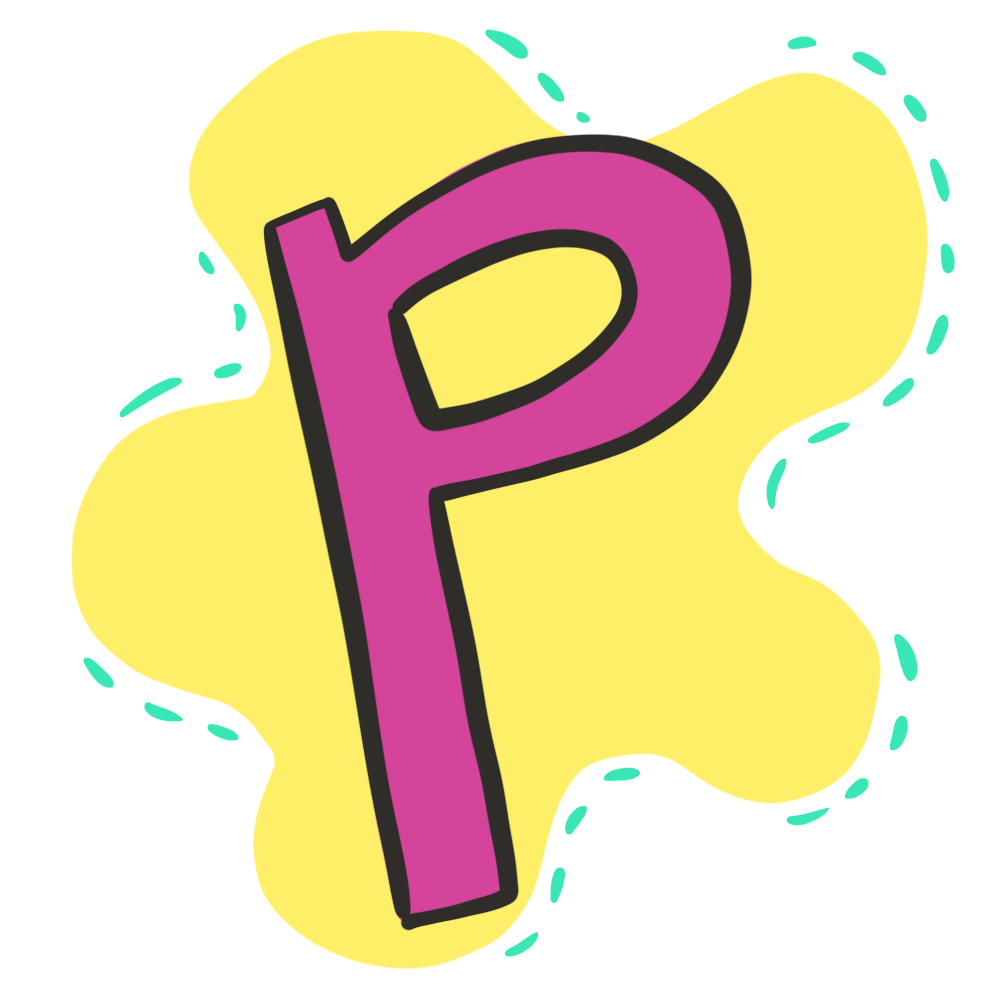
PAUSE: Slow down. Notice what's already here. Access the present moment, the breath, the body you're actually in. Pause is how we tell the nervous system: nothing is required of you right now.

LISTEN: Attune. Internally to your body, externally to your environment, relationally to the people around you. Felt safety begins here. We listen so the body knows it's been received.
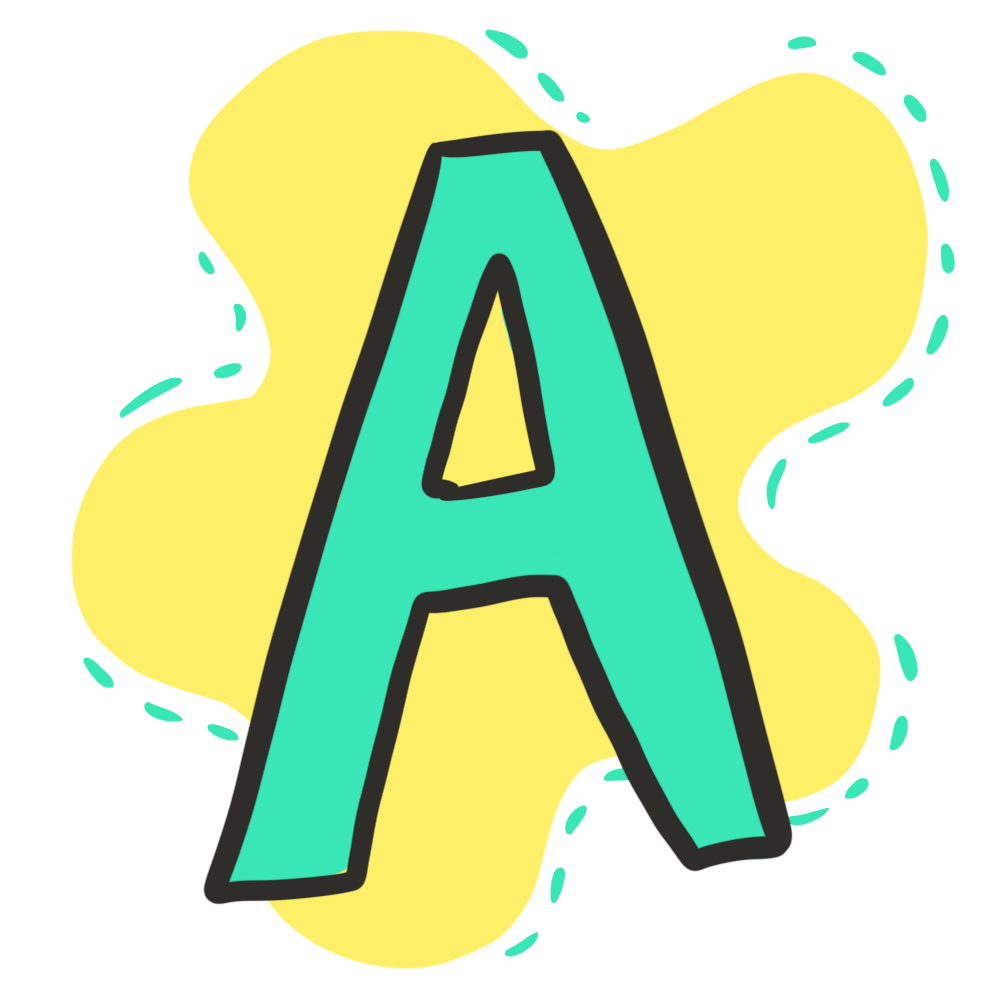
ACTIVATE: Reclaim voice, sound, laughter, movement. Use them as neural exercises that mobilize the body safely, instead of bracing against it. Activate is where joy lives, and where survival energy gets to move.
YIELD: Settle. Let the system soften and integrate. Return to self. Sense the shift that just happened. Without yield, what we accessed in activate doesn't come home with us.
WHAT HAPPENS IN A PLAYTIME SESSION
Your team arrives, probably a little skeptical. Most of them have sat through enough "team-building" to brace for one more.
Something different begins. There's music playing as people walk in. Sarah is in the room, not behind a podium. Nobody is asked to share, perform, or prove anything. The first thing on the agenda is breathing.
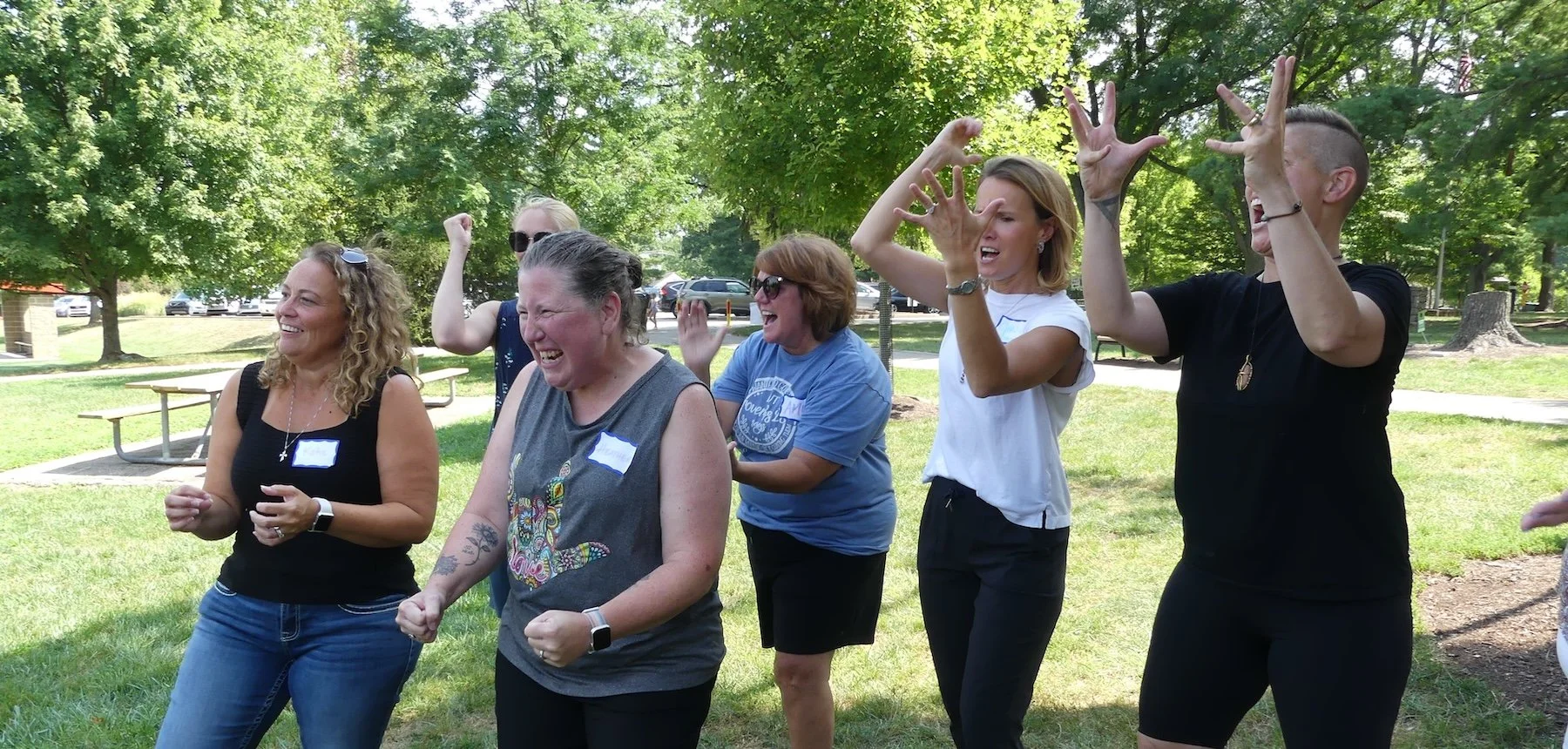
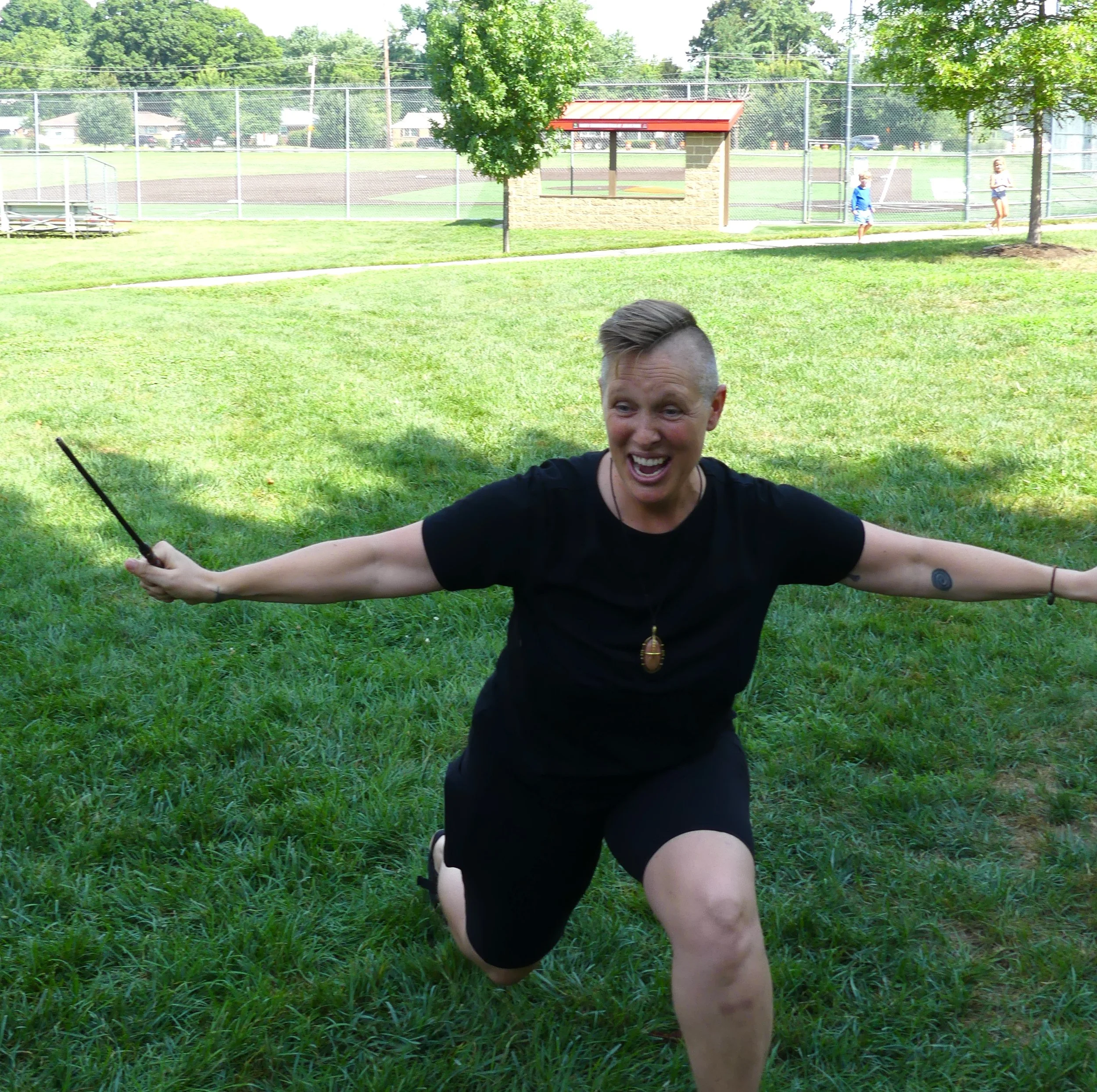
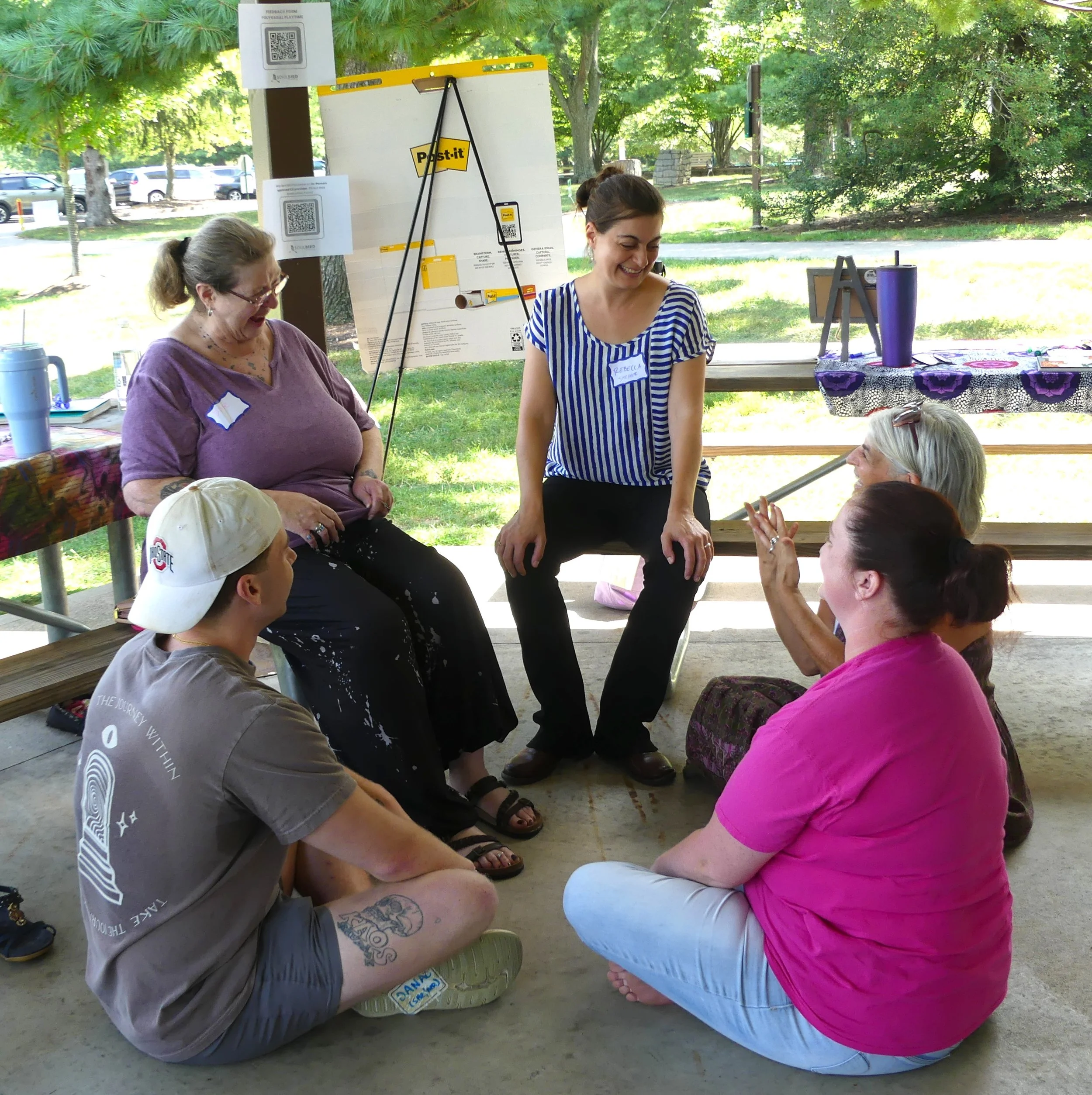
The pace stays slow longer than your team expects. People notice their shoulders drop before anything has technically happened. Then attunement practices begin: small movements with a partner, rhythm, vocal play, an invitation to laugh on purpose to see what the body does. (Spoiler: the body doesn't know the difference between fake laughter and real laughter. Both stimulate the vagus nerve. Both signal safety.)
By the time the session closes, your team has experienced polyvagal theory from the inside. They didn't learn about co-regulation. They felt it. They didn't read about the play state. They were in it.
“You learn polyvagal theory by experiencing it. Not by being told about it.”
TWO WAYS TO BRING PLAYTIME TO YOUR PEOPLE
The One-Hour PLAYtime Experience
A focused experiential session for conferences, professional development days, or organizations curious to taste this work before committing to a longer engagement. One hour with Sarah. Compressed but real. Your audience gets a working understanding of polyvagal theory and a felt experience of the PLAY arc.
Approved for 1.0 ASWB Continuing Education Credit for licensed Social Workers and 1.0 Ohio DODD CPD Units. Delivered virtually or in-person. Often booked as a conference keynote or breakout.
Read our FAQ for CE details.
The Three-Hour PLAYtime Workshop
The full experience. Three hours of guided practice through all four phases, with space for the slowness that real nervous system work requires. Pause and Listen aren't compressed. Activate has room to breathe. Yield gets the integration time it deserves.
Built for staff teams, retreats, and organizations ready to give their people something different than another training day. Approved for 2.75 ASWB Continuing Education Credits for licensed Social Workers and 3.0 Ohio DODD CPD Units. Virtual or in-person.
Read our FAQ for CE details.
WHO PLAYTIME IS BUILT FOR
Educators, school counselors, principals, and district leadership teams carrying rooms full of young people through hard days.
Social workers, case managers, therapists, mental health providers, disability services staff, child welfare professionals, foster and adoptive family workers, and CASA volunteers holding the weight of secondary trauma most trainings pretend isn't there.
Parents and caregivers showing up for young people who carry hard stories. Staff teams whose work asks them to be regulated for everyone else. Anyone whose nervous system is usually in service to someone else's, and who deserves a space to receive.
If that's you, or if that's the people you lead, this is built for you.
WHAT PEOPLE SAY AFTER PLAYTIME
“I was emotional, but I also felt lighthearted. It was a great day. I loved connecting with other people. I loved the openness and willingness to be vulnerable. Being this physical was so freeing.”
“Sarah is a deeply gifted facilitator, bringing such good energy, framework, language, expertise, openness, and vulnerability to the space. I especially appreciated the permission-giving framework. Interestingly, when given permission to opt out or pass, my nervous system felt much more open to fully engaging.”
“This would make for a wonderful team retreat or new staff orientation.”
“I realized just how good it feels to P.L.A.Y. with a group of safe adults, no matter who is watching. The entire day was amazing. Honestly, I wish we had more time together.”
NOT READY TO BOOK? STAY CLOSE FIRST
If something here is pulling at you but you're not ready for a conversation, the newsletter is open. Flocking Together is a biweekly letter from Sarah with a grounding practice, a reflection prompt, and honest writing about this work. It's free.
You'll be the first to know when other Polyvagal PLAY offerings open, including the weekly practice space we're piloting now in the Music Yard.
READY TO BRING PLAYTIME TO YOUR PEOPLE?
If PLAY is pulling at you, for a conference, a staff team, a retreat, or a community gathering, let's talk about it. Thirty minutes with Sarah to walk through your event or your people, what you're hoping for, and whether this is the right fit.
Soul Bird Consulting, Provider #2151, is approved to offer social work continuing education by the Association of Social Work Boards (ASWB) Approved Continuing Education (ACE) program. Regulatory boards are the final authority on courses accepted for continuing education credit. ACE provider approval period: 8/19/2025- 8/19/2028.